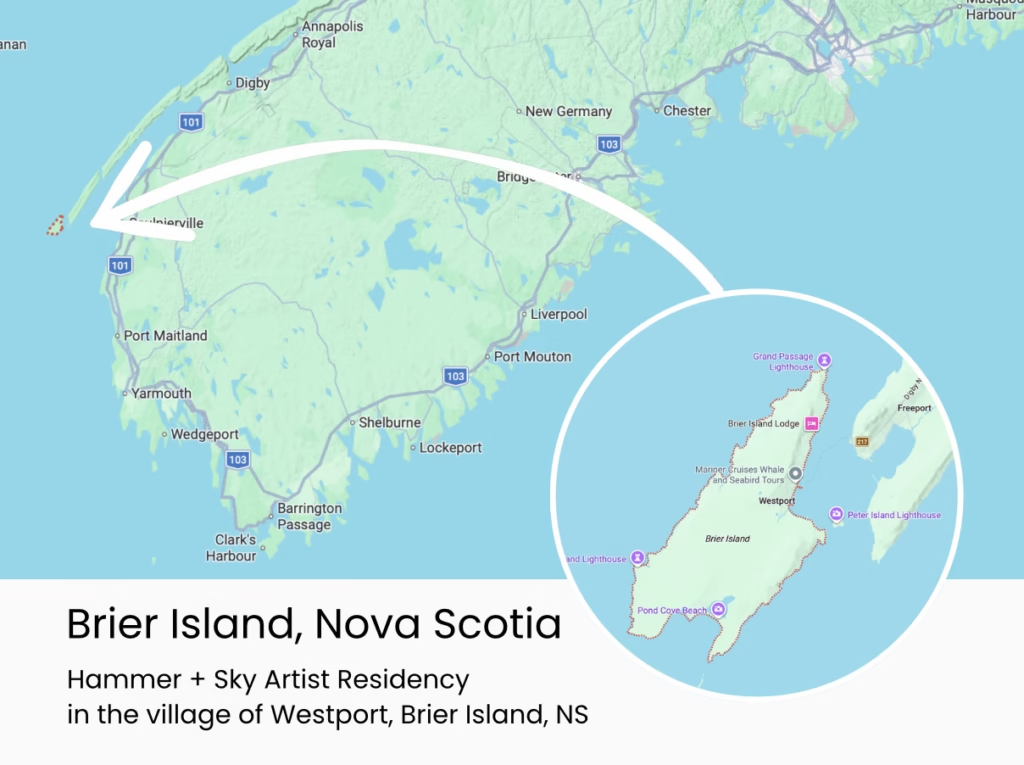
In July 2026, I spent two weeks in the village of Westport on Brier Island, Nova Scotia as part of the Hammer + Sky artist residency. My studio was a small timber-frame outbuilding overlooking the harbour, on an island defined by rocky shorelines, fishing boats, lighthouses, and working waterfronts.
Much of my time was spent wandering, photographing, and collecting inspiration from the people, places, and objects that make the island unique. The works in the Eastern Whispersss collection grew from those explorations.
Small Works
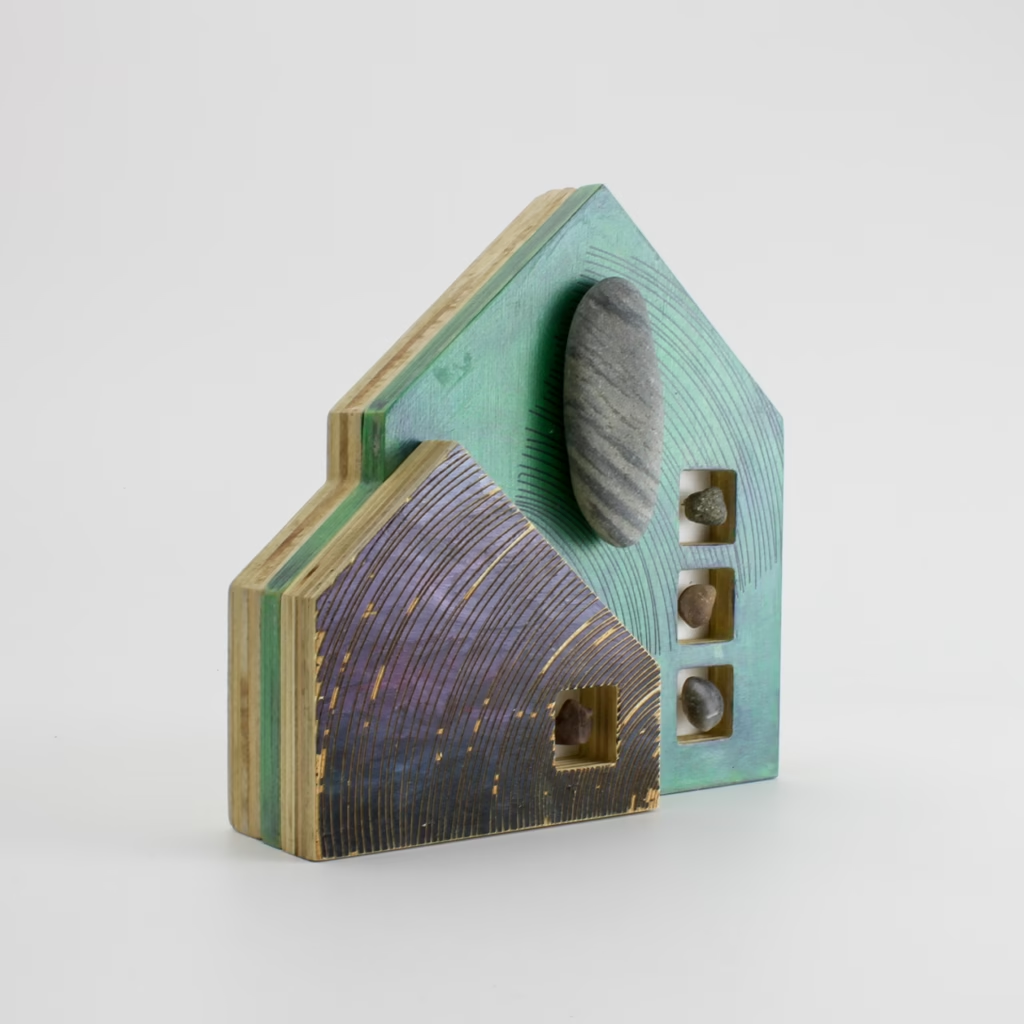
Many of the smaller pieces in the exhibition were made during the residency itself. I brought sheets of plywood and my CNC machine with me, but very little in the way of a plan. Instead, the work developed naturally in response to the places I visited and the objects I encountered during my time on the island.
Sophie’s Buoy Shop
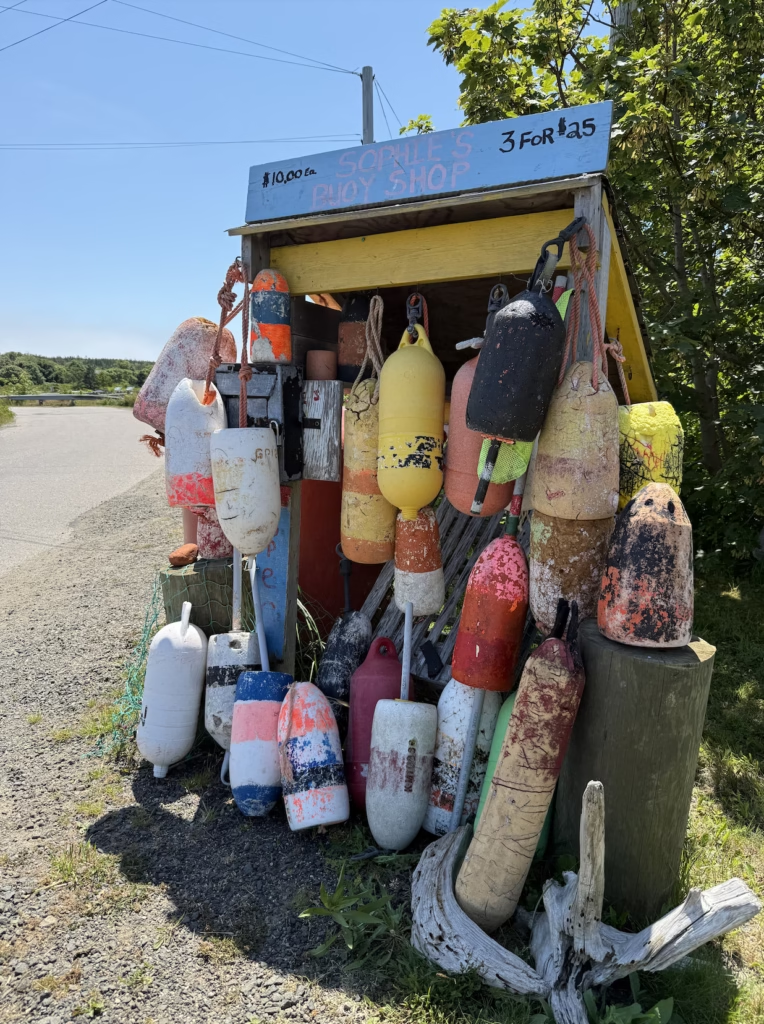
One of my earliest discoveries on Brier Island was a small unattended kiosk selling found fishing buoys beneath a wonderfully hand-painted sign: Sophie’s Buoy Shop.
I waited nearly two weeks before returning to buy one, only to discover that the most coveted buoys had already been claimed by tourists — including the fluorescent pink ones I had my eye on.
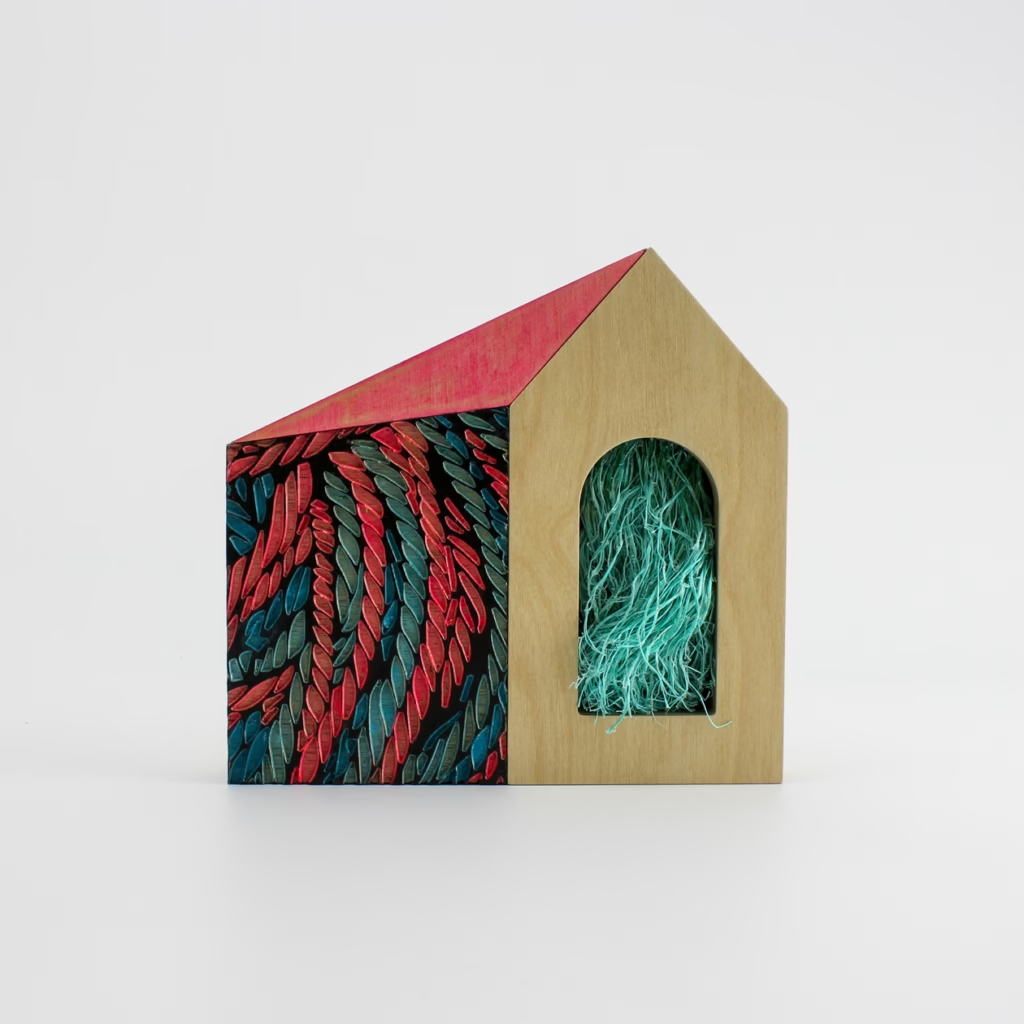
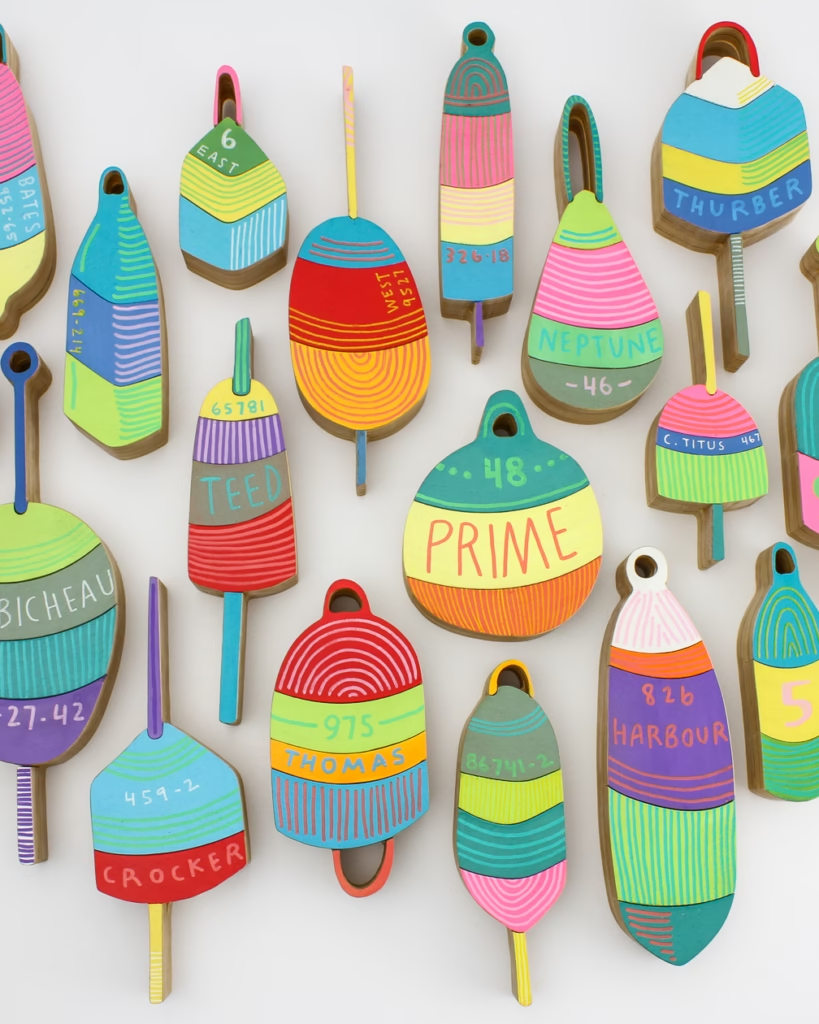
The resulting collection draws inspiration from the exuberant clusters of buoys found throughout the island: a joyful mix of colours, shapes, and sizes, many bearing the names of local fishing families past and present.
Whale Shanties
For such a small community, there were surprisingly many opportunities to hear live music, and they quickly became one of the best ways to connect with local residents.
One memorable karaoke performer later turned out to work on one of the whale watching boat I boarded a few days later.
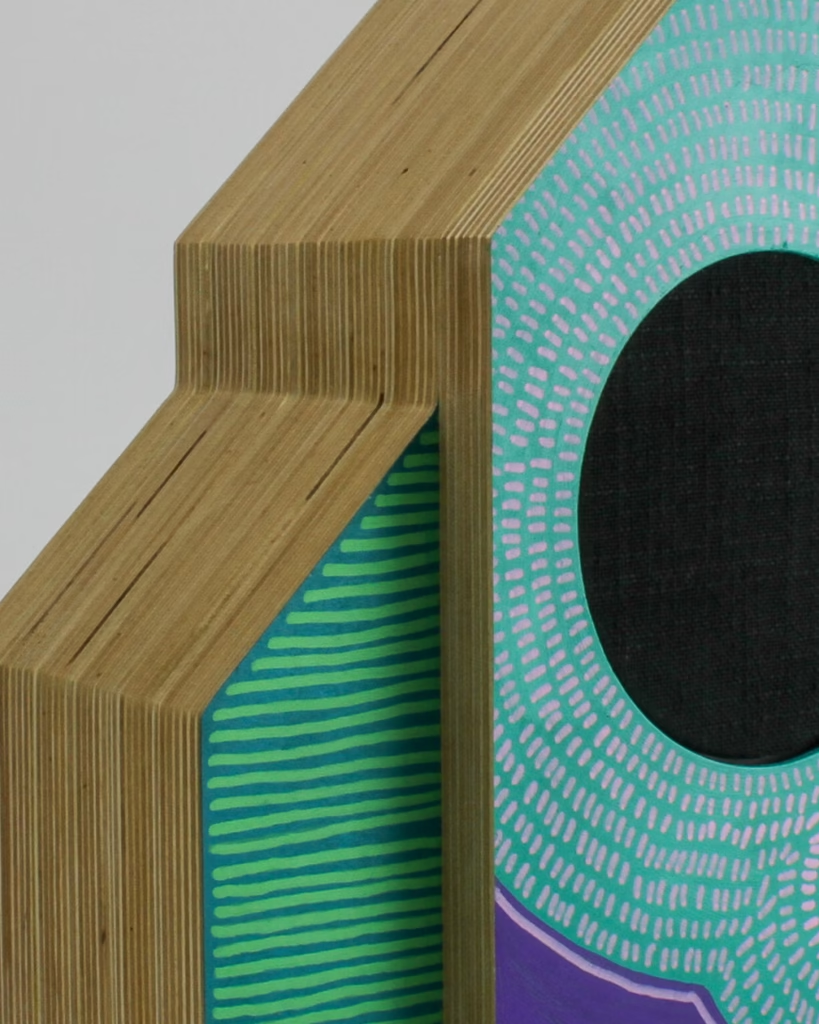
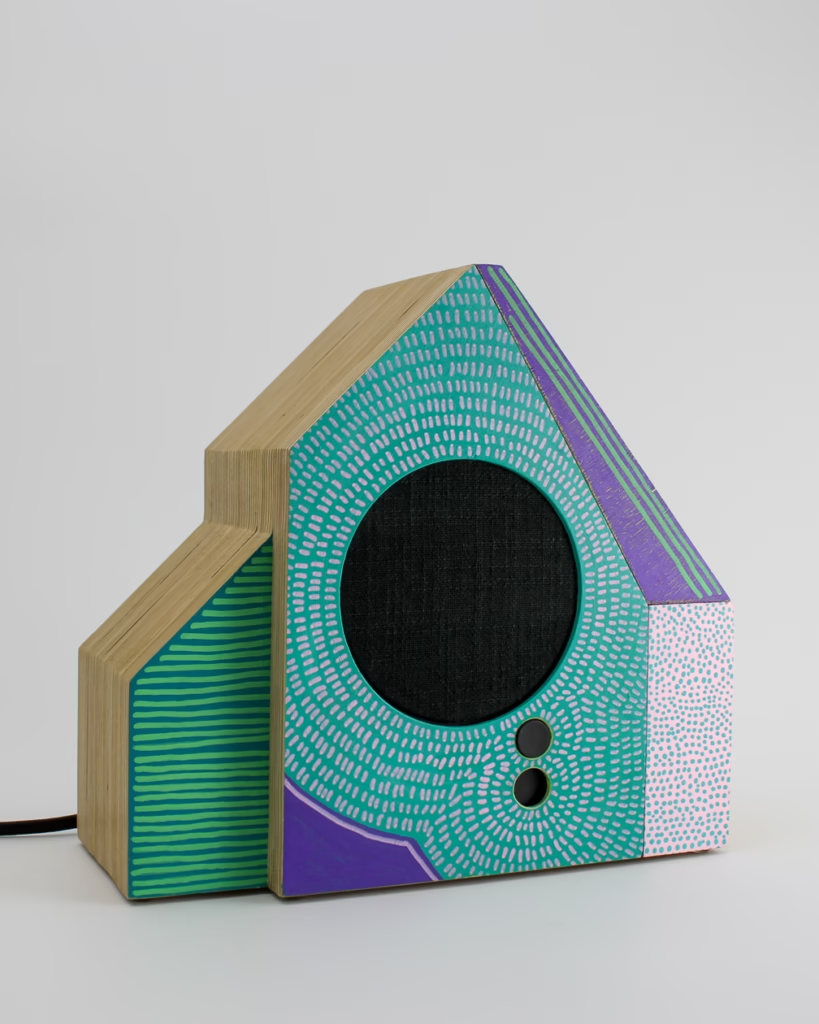
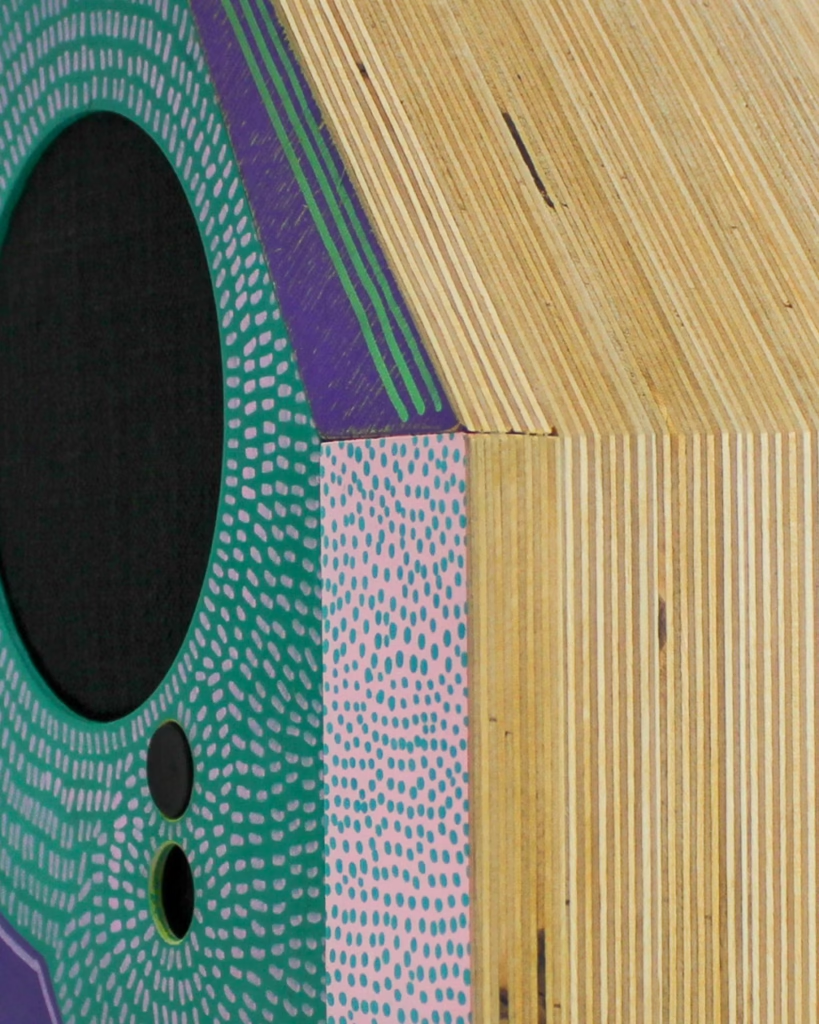
Whale Shanties, a functioning Bluetooth speaker, takes its name from a conversation about an imaginary playlist made entirely of sea shanties and whale songs.
Porthole Lamps
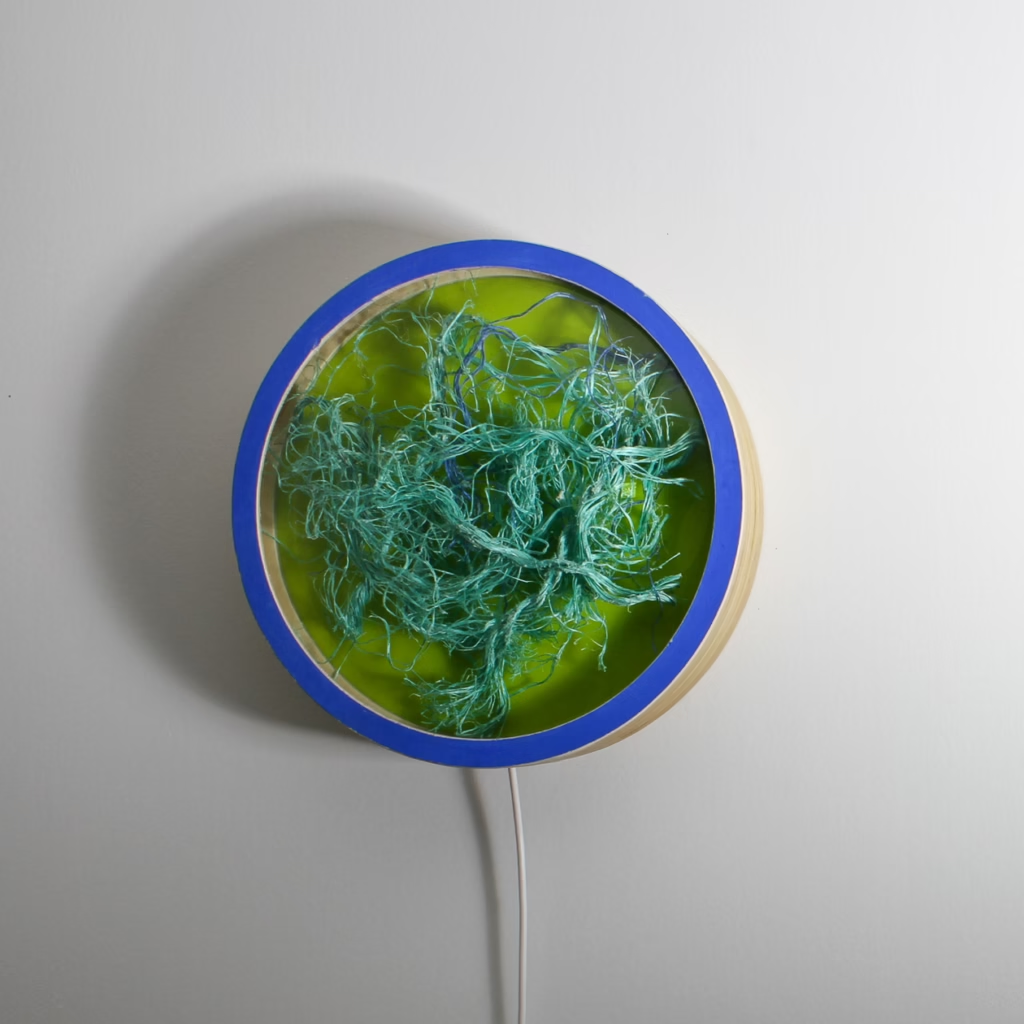
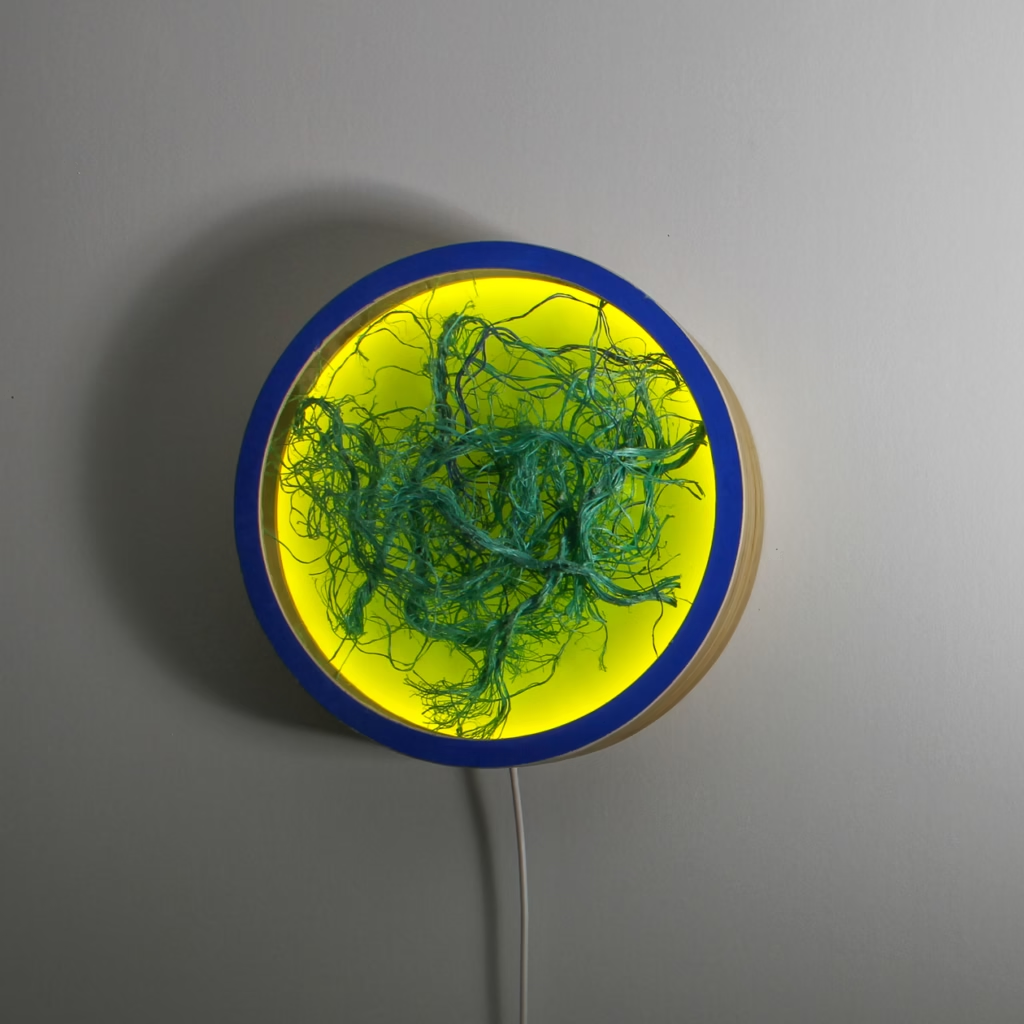
The Porthole Lamp collection was inspired by the countless snippets of frayed rope left behind on the shoreline after the tide receded.
I became fascinated by these small fragments of fishing detritus and by the way the ocean had transformed them. They became weathered, tangled, softened, and reshaped through time in the water.
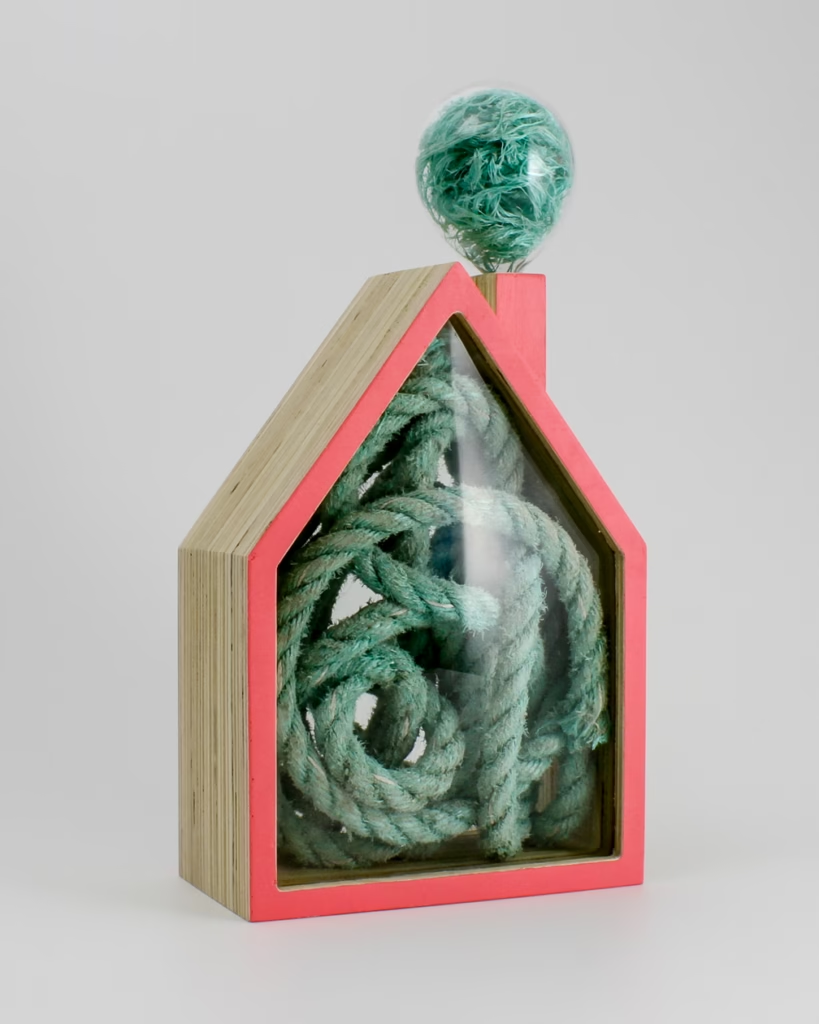
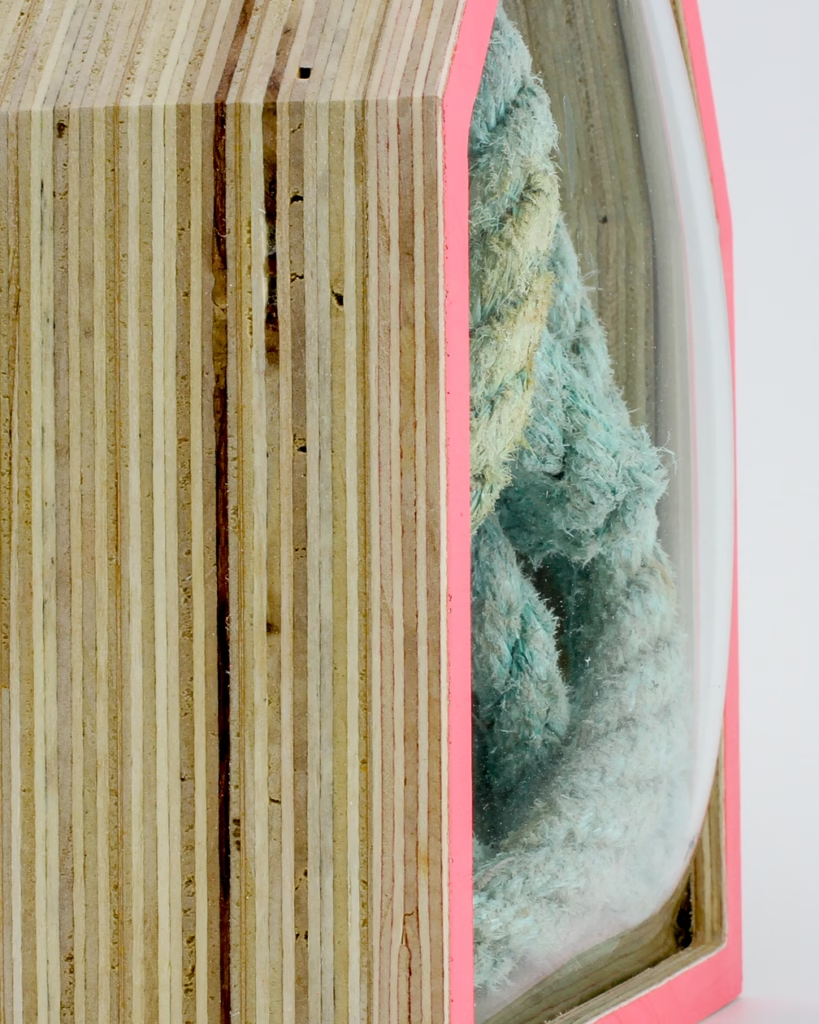
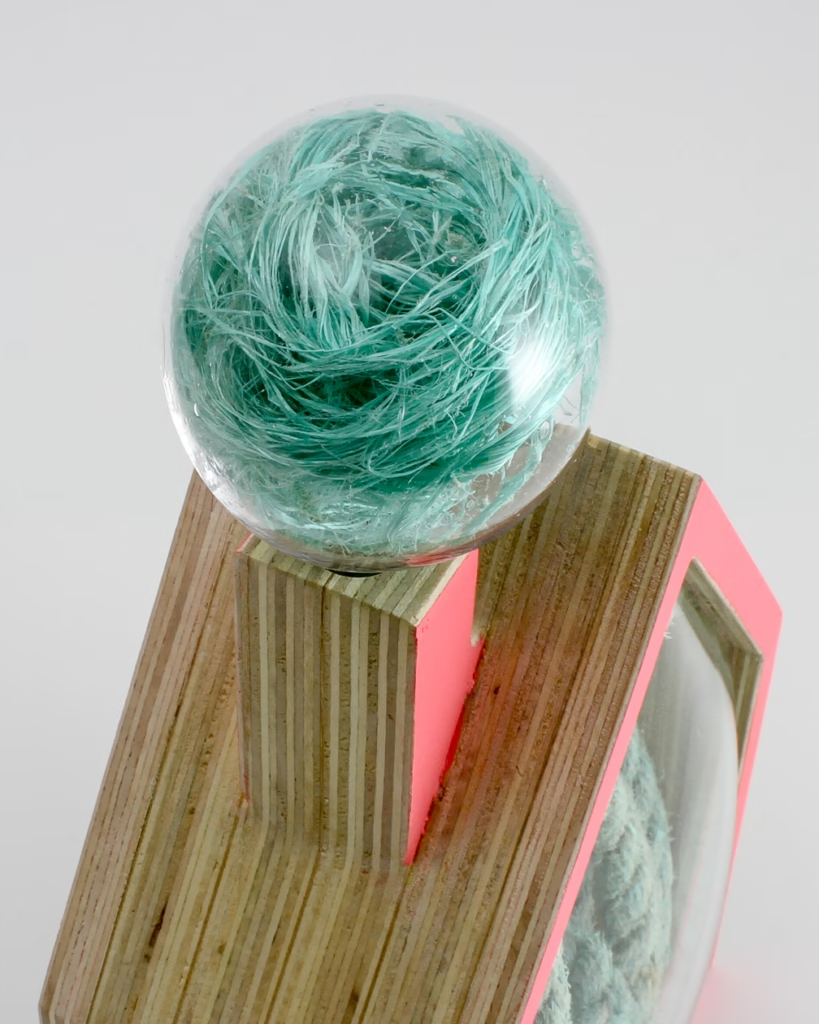
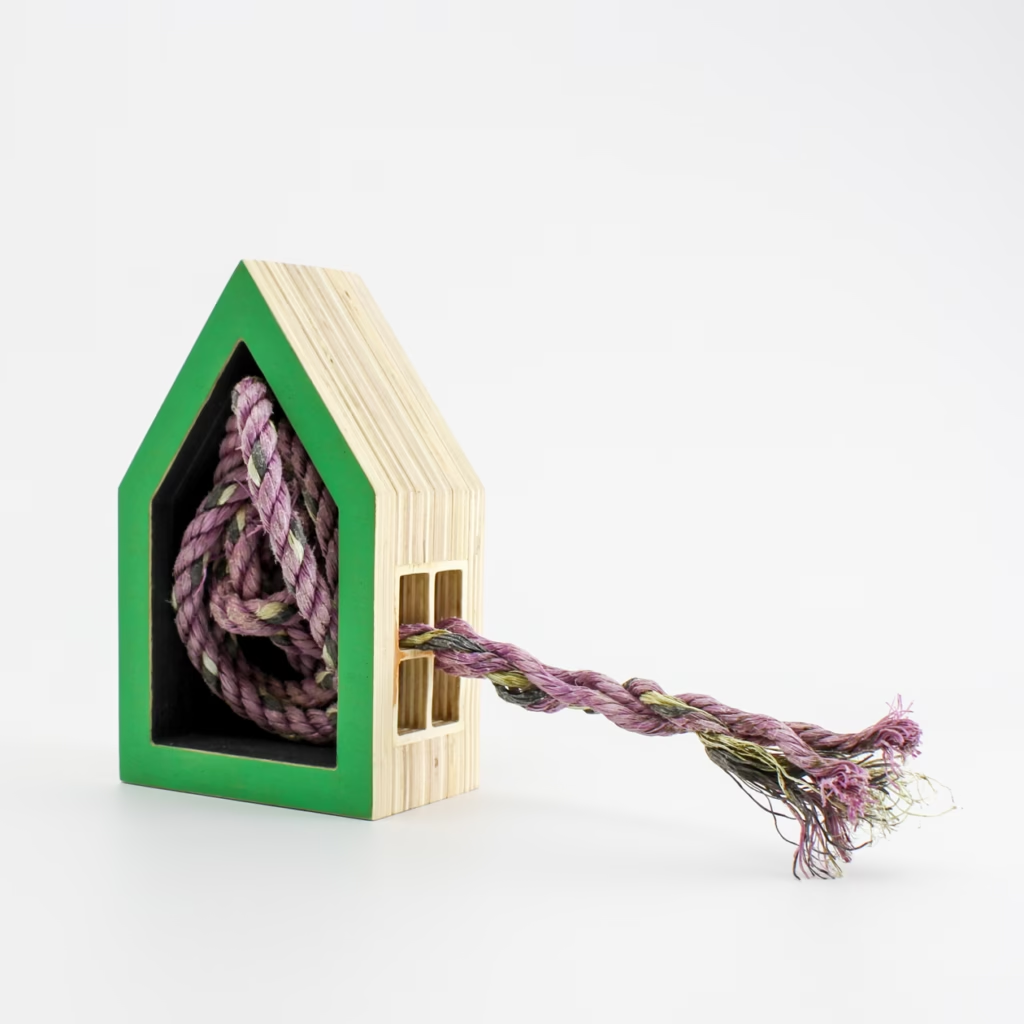
Rope House
Rope seemed to be everywhere on Brier Island: coiled beside homes, stacked outside fishing sheds, and piled on empty lots in an endless variety of colours and textures.
I was struck by how vibrant it all was. Compared with the plain yellow nylon rope I was used to seeing in Ontario, the rope on Brier Island felt as though it had a personality of its own.

The Duplex
While wandering through Westport, I became fascinated by a house with unusually symmetrical architecture and photographed it several times over the course of my stay.
Only months later, after the piece had already been made, did I realize that what I had interpreted as a duplex was likely a single dwelling all along — a faux duplex.
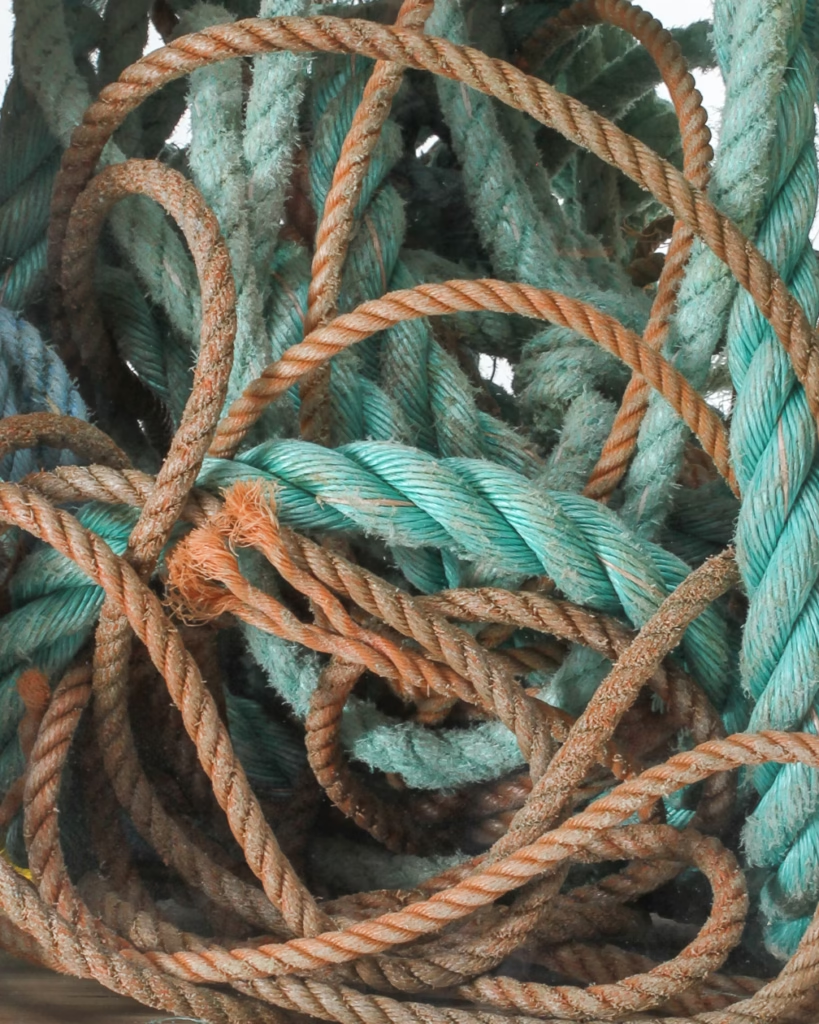
Around the same time, I found a weathered length of rope formed from two pieces spliced together. The idea of separate elements becoming stronger through connection became intertwined with my mistaken reading of the building and with broader ideas of neighbours, community, and interdependence.
Roy’s Buoys
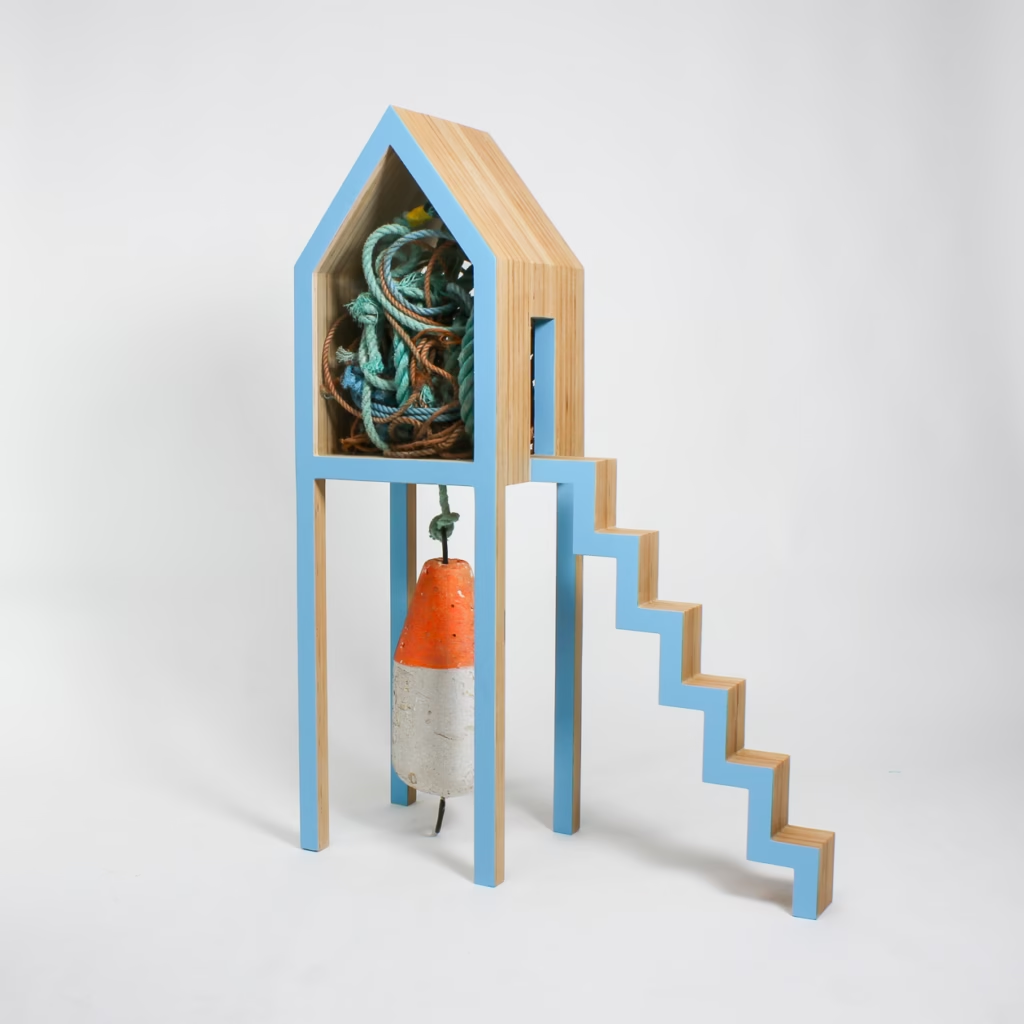
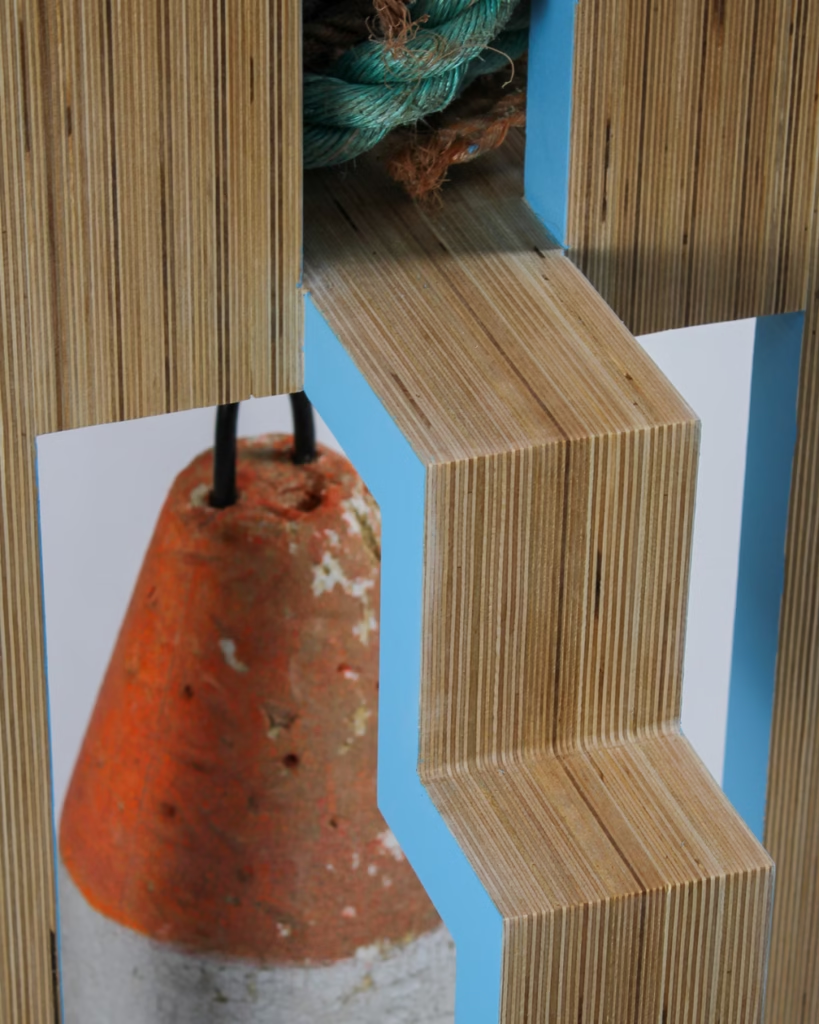
Fishing sheds lined much of the shoreline in Westport, but none captured my attention quite like the shed belonging to Captain Roy Albert Graham MB.
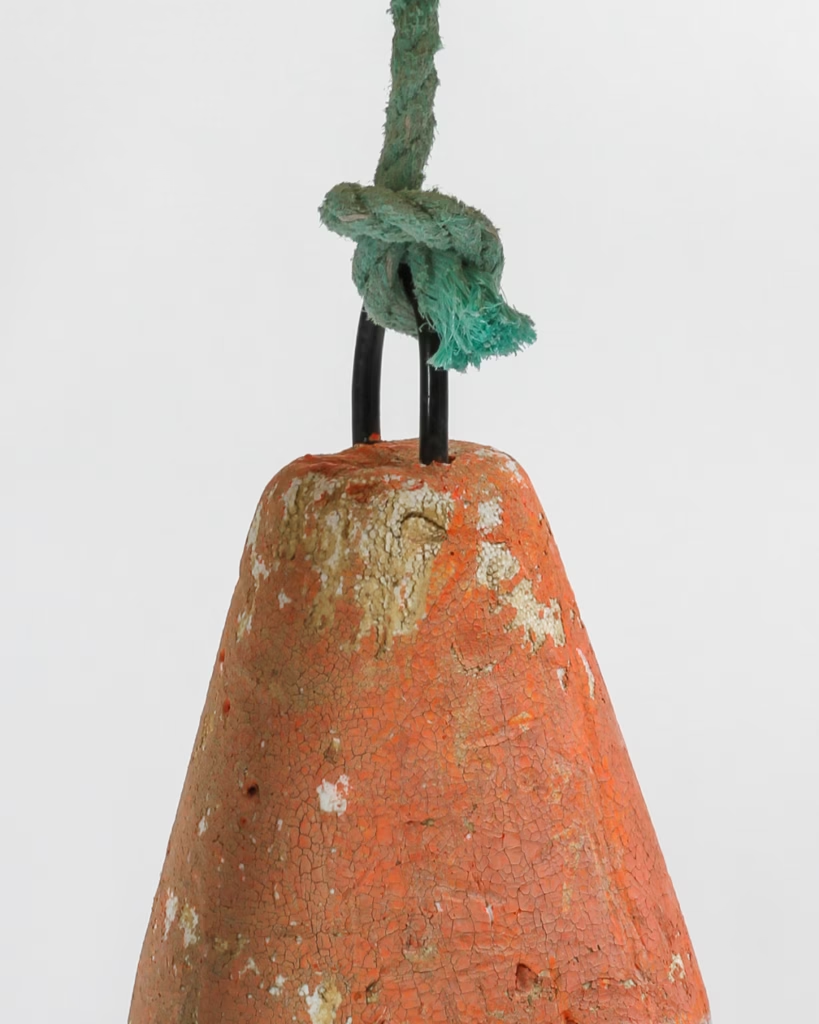
I was drawn to the collection of buoys gathered around the landing and eventually began referring to it simply as Roy’s Buoys.
The front staircase, the coils of rope, and the jumble of fishing gear gave the building a distinct character and ultimately became the inspiration for the piece.